How Many Light Adjustable Lens Adjustments Do You Get?
Published August 5, 2026 · Updated September 22, 2026 · Medically reviewed by Todd Driver, MD
Quick answer: You get up to three adjustments with the Light Adjustable Lens, and in my practice most patients need only one or two. Adjustments start about four weeks after your second eye's surgery, and each one is a short office visit with dilating drops and a UV light treatment.
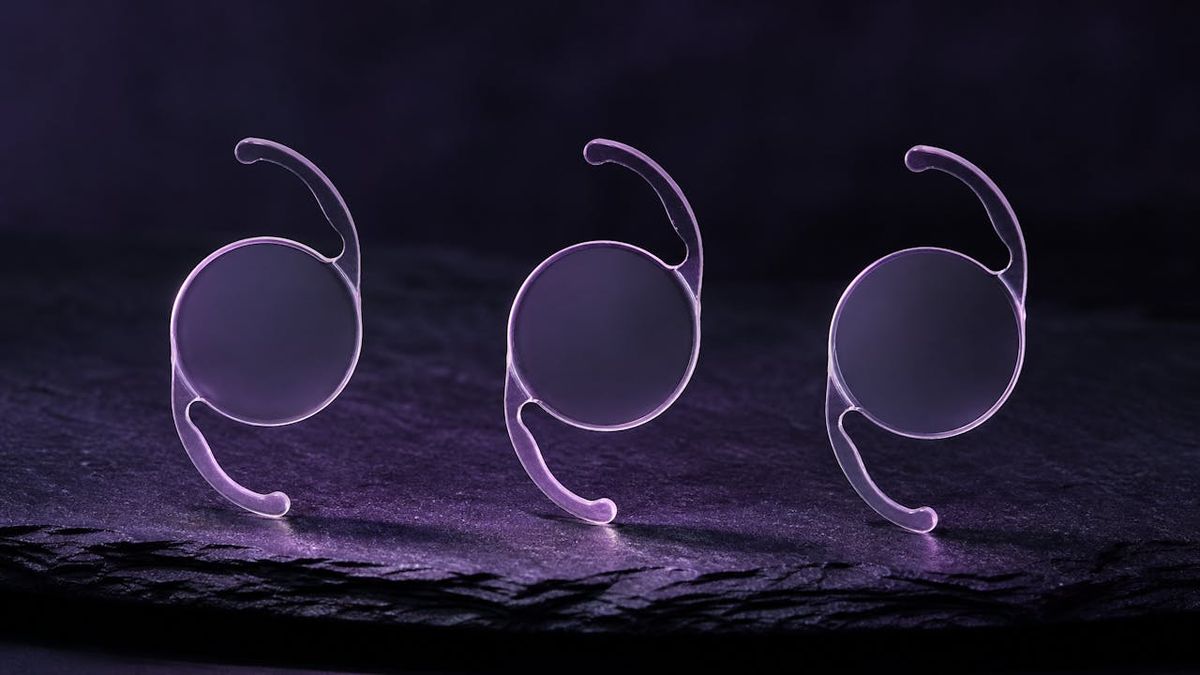
The timeline in my practice
We do cataract surgery in Irvine and implant the LAL on the first eye, then do the second eye about two weeks later. Four weeks after the second eye, once things have healed and the refraction is stable, we start adjusting. Each adjustment is a separate visit: we check your prescription, you tell us how you're actually using your eyes day to day, and the light treatment nudges the lens toward the target. Then two lock-in visits, one week apart, make it permanent.
Why "up to three" and not more
The lens contains a finite amount of light-reactive material, and each treatment uses some of it. Three adjustments plus two lock-ins is the designed budget. In practice this is plenty: most of my patients are where they want to be after one or two.
What happens after my last adjustment?
Once you and I are happy with the result, two lock-in treatments a week apart use up the remaining light-sensitive material. From then on the lens cannot be adjusted, which is why the UV glasses come off. The adjustments end at lock-in. The lens stays, the same as any other cataract implant.
The part patients don't expect
The adjustments aren't just error correction. They're a chance to change your mind. You can try your planned target for a week, decide you'd rather have a bit more near vision, and we adjust for that instead. In the published registry, 55% of patients across both lens versions changed their target prescription during the adjustment period. That flexibility, not just accuracy, is what you're paying for.
What can slow the process down
Occasionally we need an extra visit before adjusting. The most common reason in my practice is dry eye: if the ocular surface is irritated, we can't get a reliable enough refraction to aim the treatment, so we treat the dryness first. It adds time, but it protects the accuracy of the adjustment.
Sources: FDA premarket approval P160055, summary of safety and effectiveness · Doane et al., clinical data registry of two light adjustable lenses (J Cataract Refract Surg 2025)
Related reading: The Light Adjustable Lens, explained · What lock-in is · LAL and near vision · LAL vs LAL+: what changed · Is the LAL worth the cost? · or the Light Adjustable Lens in Irvine.
Two tools that may help you think this through: the 60-second lens quiz, and the vision simulator, which shows how each lens sees by day and at night.
Curious whether you're an LAL candidate?
It takes one consultation to find out. OC Eye Associates, Irvine.
Call (949) 653-9500Read next


This article is for educational purposes and is not a substitute for a medical examination or personalized medical advice. Timelines describe my own practice and can differ between surgeons.