Did My Cataract Come Back? What PCO Is and How It's Fixed
Published November 6, 2026 · Medically reviewed by Todd Driver, MD
Quick answer
Your cataract can't grow back. What can form, months or years after cataract surgery, is a cloudy film behind the lens implant called posterior capsular opacification, or PCO, which you'll also hear called a secondary cataract. We clear it with a painless laser in the office that takes about 30 seconds. Dry eye can cause the same kind of blur and glare, and it's actually the most common cause I see, so the first step is a dilated exam.
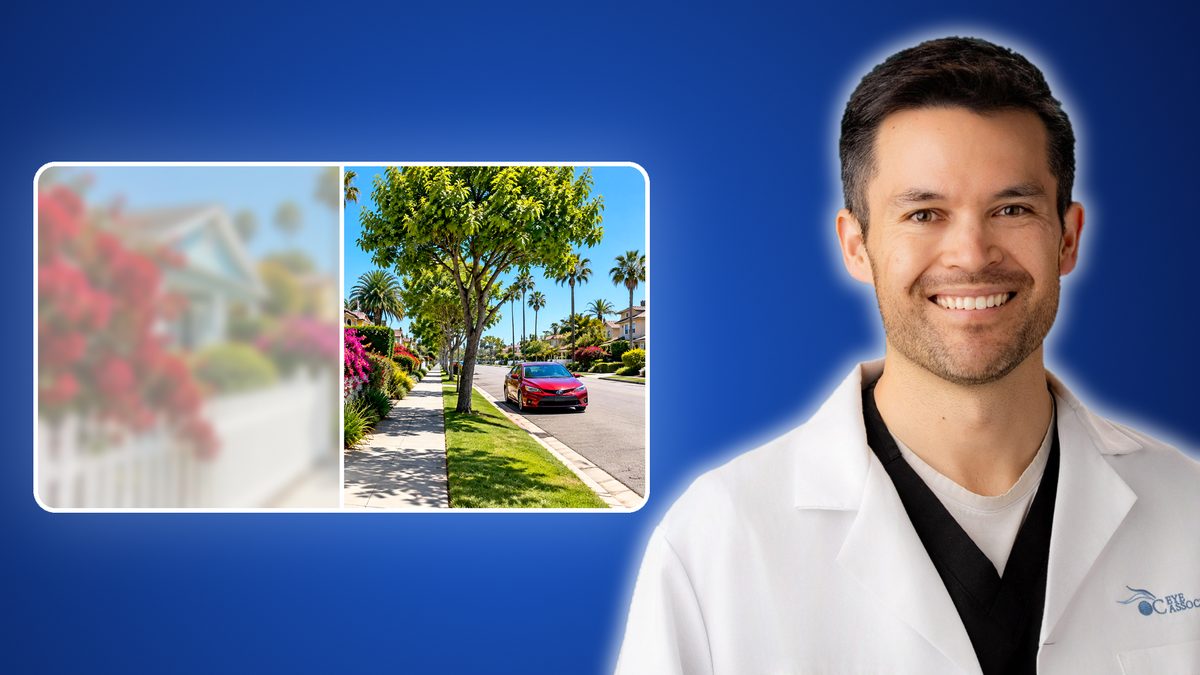
If your vision has gotten a little blurrier since your cataract surgery, or the glare at night is getting worse, you might be worried that your cataract has come back. Your cataract can't grow back, but something else can form behind your new lens implant.
What is PCO after cataract surgery?
What I tell my patients is that you've generated a little bit of a cloudy membrane behind your lens implant, and we call that a posterior capsular opacification, or PCO for short. You'll also hear it called a secondary cataract, but I think that's kind of a misleading name, because your cataract cannot grow back once it's been taken out.
Why does PCO form?
There are always a few leftover cells from the cataract, and sometimes they like to go behind the lens and multiply and form a film. This can happen within the first few months or the first few years after cataract surgery.
PCO is pretty annoying. In my experience, I do see it coming in more quickly with the light adjustable lens, and I think it's because of the design and the material of the lens. But either way, it's a very easy fix no matter what lens you have.
How is PCO treated?
What we can do is a very simple, painless, in-office procedure where we dilate your eye and use a laser to cut a hole in the film. We put a pressure-lowering drop in your eye beforehand, just as a preventative measure, because the laser can make your eye pressure spike up.
The laser is very gentle. The way it works is it generates a microscopic bubble at a single point in space, so we can basically clear away the film without damaging anything in front of it or behind it. The procedure itself takes about 30 seconds. You'll often see it called a YAG laser capsulotomy.
The only reason I would hold off on doing the laser is if there's a chance that you may want to change your lens in the future, because once we've done the laser, it's much more difficult to remove the lens and replace it.
What does the laser feel like?
On the day of the procedure, patients are usually very nervous, because it's a laser being used on your eye. But during the procedure they don't feel anything, and afterwards they're always like, “Oh wow, I didn't even know you started the procedure.”
Your vision is usually a little bit blurry for the rest of the day, just because your eye is dilated. But generally by the next day, things are as sharp as they were right after your cataract surgery.
Is the YAG laser safe?
Every procedure has its risks, but this is an extremely safe procedure. The main downside I tell my patients about is that sometimes after the laser you can see some floaters in your eye, but the vast majority of the time, those floaters fade away within about a week or two.
If you ever notice a flash of light, a sudden shower of new floaters, or a curtain coming over your vision, that's a same-day phone call to your eye doctor.
There's also a risk of the eye pressure spiking up, and a very small risk of retinal detachment, which is when the back wall of your eye starts to peel away. During this procedure, we use a very low amount of energy. We do this procedure all the time, and the chance of either of these things happening is low.
In a large French study of almost 8,000 of these laser treatments, fewer than 1 in 200 people had a retinal detachment within a year. A rise in eye pressure and swelling in the retina were each closer to 1 in 20 in the first three months, which is why we put the pressure-lowering drop in beforehand. Both were more likely in people with diabetes, and the swelling was more likely when the laser was done in the first year after cataract surgery.
Can PCO come back after the laser?
The PCO doesn't close back after we open it with the laser, because we basically made a big hole in the film. But every once in a while it can start growing back towards the center. If that happens, it's not a big deal, because we just re-treat it using the same laser.
What else can make vision blurry after cataract surgery?
When patients come in with blurrier vision or more glare after cataract surgery, I do a dilated exam with a retina scan to see what's causing the reduced vision. The most common cause I see is dry eyes, and sometimes it's that their glasses prescription has changed.
Your glasses prescription is pretty stable after cataract surgery, but you still can have small changes, because as you get older, the eyelids get a little bit looser, and that can change the shape of your eye when your eyelids aren't pulling against it as tightly.
There can also be retinal issues, like bleeding or swelling in the retina. If it turns out to be dry eye, my post on dry eye and cataract surgery covers what I do about it, and I go through the other causes of blurry vision after cataract surgery in another post.
What should you do if your vision is blurry again?
If your vision has gotten blurrier or the glare is worse after cataract surgery, go see your eye doctor and get a dilated exam. And if you've been putting off getting it checked because you're worried about your cataract coming back, just come in, because if it is a PCO, it's a very easy 30-second fix.
Common questions
Can a cataract grow back after cataract surgery?
No. Leftover cells from the cataract can form a cloudy film behind your lens implant, and that film is called PCO.
How long does the laser for PCO take?
The procedure itself takes about 30 seconds. Your vision is usually a little bit blurry for the rest of the day because your eye is dilated, and generally by the next day things are as sharp as they were right after your cataract surgery.
Does the PCO laser hurt?
No. Patients don't feel anything during the laser, and afterwards they always tell me they didn't even know I'd started.
Will I see floaters after the PCO laser?
Sometimes, but the vast majority of the time they fade away within about a week or two. A sudden shower of new floaters, a flash of light, or a curtain over your vision is a same-day phone call to your eye doctor.
Can PCO come back after the laser?
The opening doesn't close back, because the laser makes a big hole in the film. Every once in a while it can start growing back towards the center, and if that happens we re-treat it using the same laser.
Related reading: blurry vision after cataract surgery · dry eye and cataract surgery · the cat-eye glint after surgery · the real safety numbers of cataract surgery · or see what cataract surgery in Irvine involves.
If you're thinking about cataract surgery, there's the 60-second lens quiz and the vision simulator, which shows how each lens sees by day and at night.
Worried your cataract came back?
Come in and we'll find out what's going on. My office is at OC Eye Associates in Irvine.
Call (949) 653-9500Read next
This article is for educational purposes and is not a substitute for a medical examination or personalized medical advice. Whether you need the laser, and when, depends on your eyes. Follow the plan your own surgeon gives you.