Advanced Cataract Surgery · Irvine, CA
Laser Cataract Surgery in Irvine: A Gentler Way to Remove the Cataract
Dr. Todd Driver uses the femtosecond laser on most of his cataract surgeries in Irvine. The laser step takes about two minutes, and he will tell you plainly when it matters for your eye and when it does not.
OC Eye Associates · 9 Corporate Park, Suite 150, Irvine, CA 92606
Quick answer: Laser cataract surgery uses a femtosecond laser to make the opening in the lens capsule, divide the cataract into small pieces, and place astigmatism-correcting incisions before Dr. Todd Driver removes the cataract by hand. The laser step takes about two minutes, you feel pressure but no pain, and recovery is similar to standard surgery. Large studies show similar outcomes either way, which is why insurance treats it as optional. Dr. Driver recommends it for most patients and feels it matters most for very dense cataracts and for patients with only one good eye. A pupil that does not dilate well rules it out.
What the laser does in my operating room
The question I hear at almost every cataract consultation is some version of "do I need the laser?" So, first the plain answer. You do not need the laser to get excellent vision, and I do plenty of standard cataract surgery. I still recommend it to almost everyone I see, and what follows is what I tell them.
A lot of my patients ask me how we can use a laser in the eye without damaging the eye. This laser generates a bubble at a 3D point in space, so it can make a cut precisely where we aim it without cutting the structures around it. That lets us make very precise cuts inside your eye before I ever pick up an instrument.
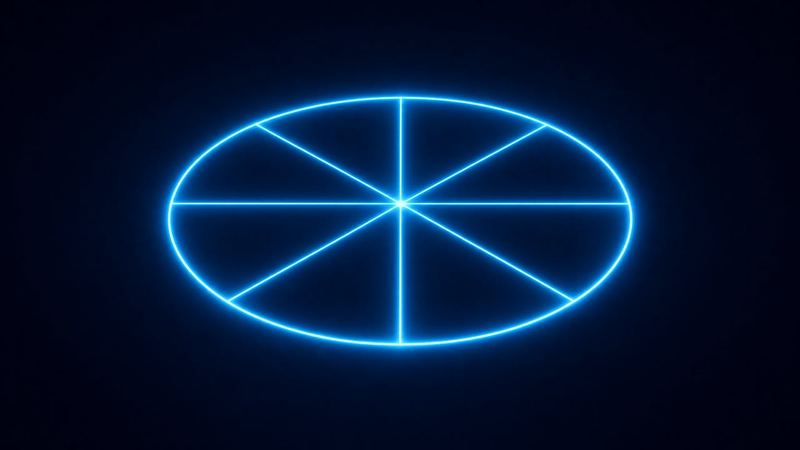
It cuts a perfectly circular opening in the capsule that holds the lens, the opening that lets me reach the cataract. It divides the lens into eight pieces, called octants, so the cataract is already in small pieces before I remove it. And it can place arcuate incisions on the cornea, curved cuts that reduce your astigmatism and help sharpen the image after surgery. Then I do the surgery I always do: remove the cataract and implant your new lens. The laser does not replace the surgeon; it assists with certain steps.
To remove a cataract I use a probe that liquefies it with ultrasound energy. Smaller pieces mean less ultrasound energy is needed inside your eye, which makes the surgery gentler and more efficient. It is kind of like cutting a pie into slices before you lift it out of the tin, so there is less prying and less force on everything around it. I narrated one of my own laser cataract surgeries from start to finish in What Does Laser Cataract Surgery Look Like? if you want to watch it.
Why I recommend it, and why it is still optional
I feel like the only reason not to get the laser is the cost.
As I understand it, the reason the laser is not covered by insurance is that there are studies showing standard manual cataract surgery and laser-assisted cataract surgery produce similar visual outcomes and similar safety outcomes. That is mainly because standard cataract surgery is so safe to begin with, and it is hard to find complications in a study of an outcome that is very rare. The biggest of those studies, a 2023 Cochrane review of 42 randomized trials covering more than 7,000 eyes, found little or no difference between the two, and I go through it in Is Laser Cataract Surgery Worth It? So I always tell my patients the laser is optional. What I tell them is that the laser makes the surgery a little bit gentler on the eye and, in my experience, can reduce the risk a little bit, and I never say it is a requirement for me to do their surgery.
Who benefits most
The patients I am most glad to have the laser for are the ones with very dense cataracts. With a very dense cataract you have to do a lot of manipulation of the lens, and you need a lot more ultrasound energy to break the lens in half. A mature cataract is kind of like a frozen block instead of soft ice cream. The laser enables less manipulation of the lens, which I feel makes the surgery gentler on the eye and more stable. Recently I had a patient like that whose lens I was worried about going in. The surgery was very smooth, and the next morning they were seeing well. In that patient, I think that result would most likely have been much harder to achieve with manual surgery.
The other group is patients who are monocular, meaning they only have one good eye. In my experience the laser reduces the risk on that eye, so I like using it on them. Whenever they have a safe outcome, I can see the relief on their face, and I think the laser makes that outcome more likely.
If you have astigmatism and we are planning a toric lens, the laser platform photographs your iris and uses that map to line up the lens, which is the part of that surgery I most want done precisely. And if you have Fuchs' dystrophy, a cornea that starts with fewer cells than normal, I want every margin I can get. Both are covered in the worth-it post.
There is not really anyone I would talk out of getting the laser. The exam can, though. Poor pupil dilation rules out the laser, and we check that at your dilated exam before anything is scheduled.
Surgery day in Irvine
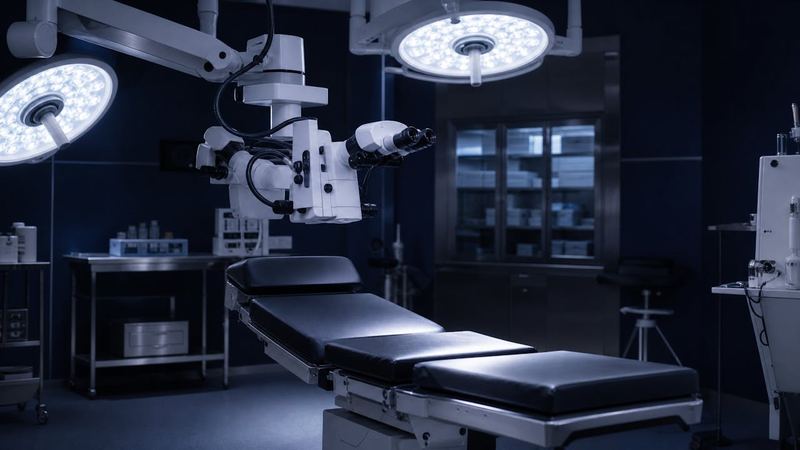
I operate with two femtosecond lasers, the Johnson & Johnson Catalys and the LENSAR ALLY. With the Catalys, we bring you into a separate room, do the laser, and then transfer you into the operating room right afterwards. With the ALLY, we do the laser in the operating room right before the cataract surgery. Either way, the laser portion itself takes about two minutes: scanning your eye, docking the laser, and then the treatment. Even though the ALLY is the newer laser, I feel the Catalys and the ALLY produce similar outcomes.
During the docking you feel a little bit of pressure, but it should not hurt. You do not feel any of the laser. Then the surgery itself takes about ten minutes per eye, awake, with numbing drops and light sedation, the same as it would be without the laser.
Recovery
Nothing about your recovery changes because the laser was used. Same drops, same follow-up visits, same restrictions, and discomfort after the surgery is roughly equivalent for both laser and standard cataract surgery. The one place I see a difference is the dense cataract: I personally feel the laser makes that recovery a little bit faster, just because I used less ultrasound energy in your eye.
What it costs
Insurance covers cataract surgery and does not cover the laser, so it is an out-of-pocket addition priced per eye. I do not quote a number on this page because it depends on your eyes and on the lens you choose, and we go over the exact figure at your consultation before you decide anything. I tell my patients to decide on the medicine first and the money second, and I will give you my recommendation either way.
The bottom line
So, here is the bottom line. You do not need the laser, and I will never tell you otherwise. I recommend it because I think it makes an already safe surgery a little gentler, and for a dense cataract or a patient with one good eye I want it in the room. If you are weighing cataract surgery in Irvine, come in, let me look at your eyes, and I will tell you where the laser matters for you and where it does not.
Laser cataract surgery FAQs
Does laser cataract surgery hurt?
No. During the docking you feel a little bit of pressure, but it should not hurt, and you do not feel any of the laser. The surgery that follows is done with numbing drops and light sedation.
How long does the laser part take?
About two minutes, for scanning your eye, docking the laser, and the treatment itself. The whole surgery takes about ten minutes per eye.
Is laser cataract surgery better than standard cataract surgery?
Large studies show similar vision and similar safety with either, mainly because standard surgery is already very safe. In my opinion the laser makes the surgery a little gentler on the eye, and I feel it matters most for very dense cataracts and for patients with one good eye.
Does insurance cover laser cataract surgery in Irvine?
Insurance covers the cataract surgery itself but not the laser, so it is an out-of-pocket addition. We review the exact cost at your consultation.
Is recovery faster with the laser?
Recovery and discomfort are roughly the same as standard surgery. For a very dense cataract, I personally feel recovery is a little faster because less ultrasound energy was used.
Can anyone have laser cataract surgery?
Almost anyone. The main exception is a pupil that does not dilate well, which rules out the laser. We check that at your dilated exam.
Wondering whether the laser makes sense for your eyes?
One consultation with Dr. Todd Driver at OC Eye Associates in Irvine answers it: a dilated exam, measurements, a plain recommendation on the laser and the lens, and the exact cost before you decide.
Call (949) 653-9500 Prefer we call you? Request a callback OC Eye Associates · 9 Corporate Park, Suite 150, Irvine, CA 92606Two interactive tools can help you compare your options: take the 60-second lens quiz or see each lens in the vision simulator, day and night.
Read next
This page is for educational purposes and is not a substitute for a medical examination or personalized medical advice. Individual results vary; candidacy for the laser is determined at consultation.