What Does Laser Cataract Surgery Look Like? A Real Surgery, Step by Step
Published August 25, 2026 · Updated September 10, 2026 · Medically reviewed by Todd Driver, MD
Quick answer: In femtosecond laser cataract surgery, a laser maps your eye, divides the cataract into small pieces, and can make incisions that reduce astigmatism, all before I touch your eye. Then I remove the cataract and implant your new lens. The video below shows one of my surgeries from start to finish.
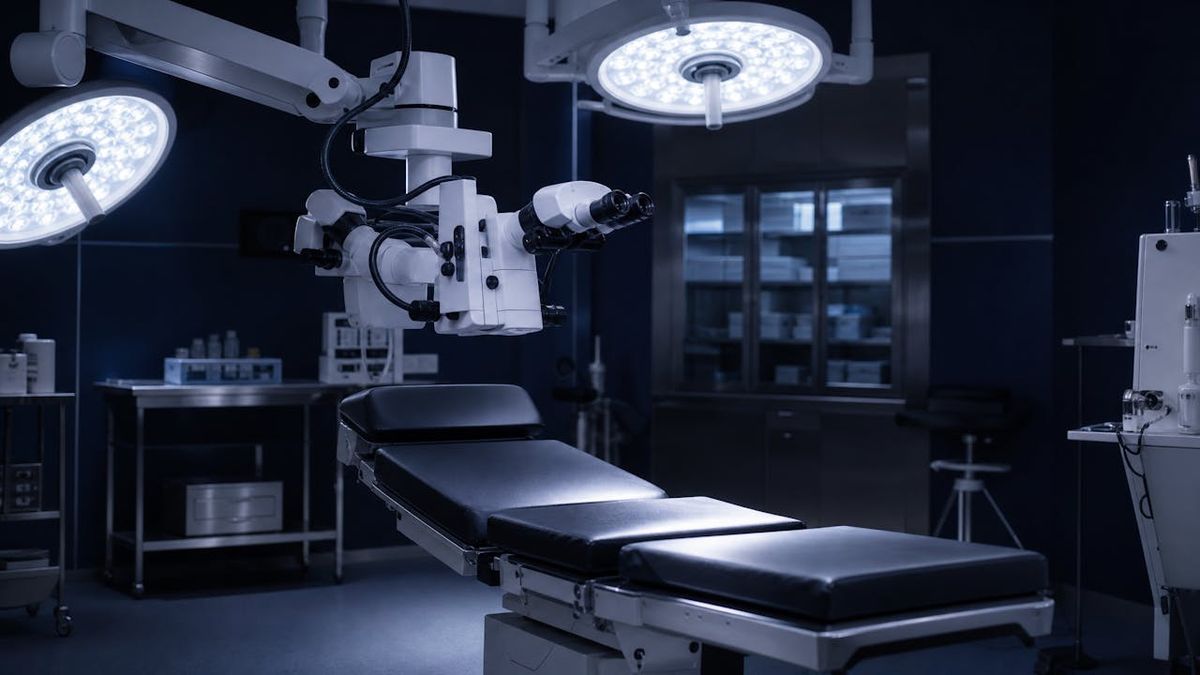
One of my patients asked me if he could see what femtosecond laser cataract surgery looked like. So I pulled footage from a real femtosecond laser cataract surgery I did fairly recently, and I narrated every step.
One thing to know before you watch: this is the magnified view through my operating microscope. It is not what you see or feel as a patient.
How can you use a laser in the eye without damaging it?
A lot of my patients ask me how we can use a laser in the eye without damaging the eye. This laser generates a bubble at a 3D point in space, so it can make a cut precisely where we aim it without cutting the structures around it. That lets us make very precise cuts inside your eye, which helps me do the cataract surgery more gently.
Docking, mapping, and dividing the lens
The laser is docked onto your eye, and then it scans the eye and maps out all the structures to plan the treatment.
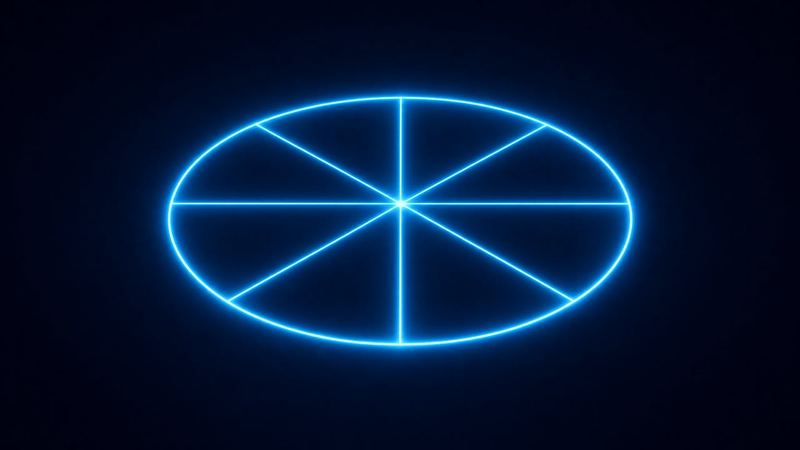
Once the plan is set, the pattern of treatment shows on the laser's screen. The laser divides the lens up into eight pieces, called octants, and it cuts a circular opening in the capsule that holds the lens. As the treatment runs, little bubbles form, and those bubbles are very precisely dissecting the lens. Smaller pieces mean less ultrasound energy is needed inside your eye, which makes the surgery gentler and more efficient.
Last, the laser places arcuate incisions on the cornea. These are curved cuts that reduce your astigmatism, and they can help sharpen up the image after cataract surgery.
Removing the cataract
The first thing I do is remove the cap the laser cut, opening up the capsulorhexis. That is the circular opening that lets me reach the cataract.
Next comes hydrodissection, which is using fluid to separate the cataract from the capsule that holds it. Doing this carefully preserves the capsule, which will hold your artificial lens in place after the cataract is gone.
Then I use a phacoemulsification probe, which uses ultrasound energy to liquefy the cataract and divide it into small pieces so I can gently and safely remove it from your eye. A second instrument called a chopper helps me divide the lens and move it around in the eye, feeding the cataract into the probe.
After the main cataract is out, I switch to an irrigation and aspiration handpiece to remove the outermost layer of the cataract, which is called the cortex. I peel the cortex away from the capsular bag to leave the bag as clean as possible before the new lens goes in.
Implanting your new lens
Before the lens goes in, I fill the eye with a gel called viscoelastic. It keeps the eye inflated so I can safely implant the new artificial lens.
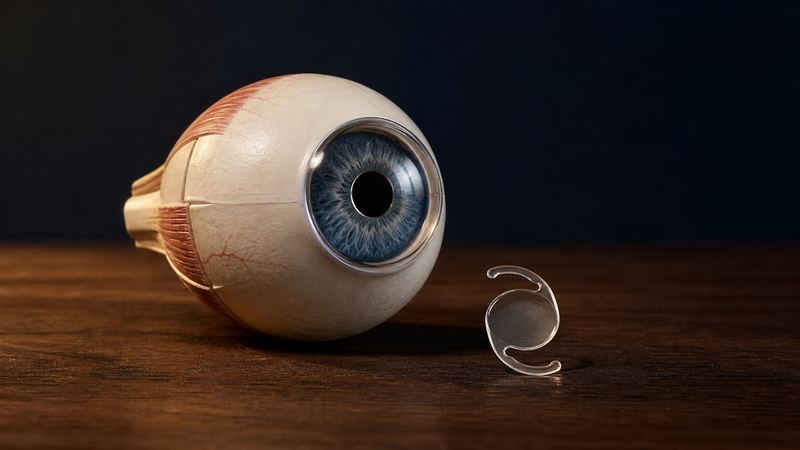
The lens itself is rolled up kind of like a burrito. Once I inject it into the eye, it unfolds and expands inside the capsular bag, and this is what keeps the lens centered and stable in your eye after surgery.
Common questions
Do I need the laser to get good results from cataract surgery?
You don't need the laser to get excellent vision, and standard cataract surgery is still a great option. I personally feel the laser makes the surgery more precise and gentler on the eye. I go through the evidence in Is Laser Cataract Surgery Worth It?
Will I be awake watching all this happen?
Most patients are under twilight sedation and remember very little. If the idea of being awake worries you, I wrote about exactly that in Is Cataract Surgery Scary? What You'll Actually See and Feel.
Is cataract surgery risky?
No surgery is risk-free, and I would never tell you otherwise. The real numbers are in Can You Go Blind From Cataract Surgery?
How is laser cataract surgery done?
The laser docks to the eye, scans it, and makes its cuts: the circular opening in the capsule, the division of the cataract into pieces, and any astigmatism incisions on the cornea. Then I open that capsule, separate the cataract from its capsule with fluid, and remove it with an ultrasound probe, which in a typical cataract needs less energy because the laser has already divided it. The leftover outer layer is vacuumed away, the bag is filled with a protective gel, the folded lens implant is injected and unfolds into place, and the gel is washed back out. Most patients have numbing drops and twilight sedation for all of it.
Does the laser part hurt?
Not for most people. Your eye is numbed with drops before the laser docks. You feel a little pressure while the laser is docked, about two minutes, your vision may dim while the suction is on, and you see an interesting pattern of light from the laser. Then it is done. The laser does its cutting with light, not a blade, and the only thing that touches your eye is the soft interface that holds it steady.
How long does laser cataract surgery take?
A little over ten minutes of actual procedure: about two minutes of laser and eight to ten of surgery. We use two laser platforms. With the Catalys, the laser step is done in a separate room and you are then brought into the operating room, which adds a few minutes; with the ALLY, the laser is in the operating room and you stay put. The visit itself is longer than that, with check-in, dilation, and recovery.
Related reading: is laser cataract surgery worth it? · is cataract surgery scary? · can you go blind from cataract surgery? · or cataract surgery with Dr. Driver in Irvine. · laser cataract surgery in Irvine
Two tools that may help you think this through: the 60-second lens quiz, and the vision simulator, which shows how each lens sees by day and at night.
Wondering if the laser makes sense for your eyes?
If you're facing cataract surgery, bring your questions in. Schedule with Dr. Driver at OC Eye Associates in Irvine.
Call (949) 653-9500Read next

This article is for educational purposes and is not a substitute for a medical examination or personalized medical advice. The video shows a single surgery; every eye is different.