The Only 5 Things That Actually Slow Cataracts
Published July 9, 2026 · Updated September 22, 2026 · Medically reviewed by Todd Driver, MD
Quick answer: You can't reverse a cataract, but you can slow one down. The five things with real evidence: daily 100% UV sunglasses, not smoking, controlling blood sugar, a diet rich in lutein and vitamin C foods, and checking your medications. The popular “cataract-dissolving” drops and supplements do nothing.
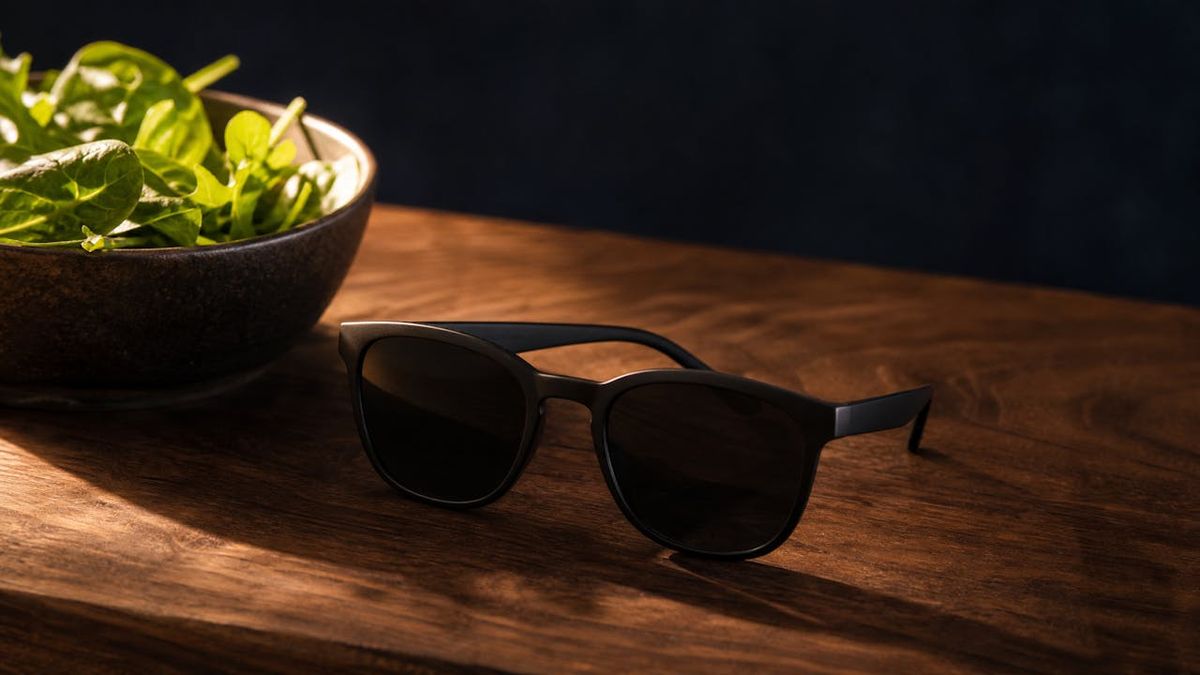
Can you actually slow down cataracts? Yes, and I'll give you five things with real evidence behind them. But I'm also going to save you some money, because two of the most popular "cataract cures" being sold right now do absolutely nothing, and one of them I get asked about every single week.
Can I reverse a cataract that's already there?
A cataract is the natural lens of your eye becoming cloudy. The lens adds new layers as you age, and the proteins in its center clump together over time. Think of the clear part of an egg turning white as it cooks. You cannot uncook an egg. No drop, no pill, no exercise reverses a cataract that's already there. Surgery is the only cure.
But you do have real control over how fast that egg cooks. For some people, that's the difference between cataract surgery at 60 and cataract surgery at 75. Here's what moves the timeline.
1. Sunglasses every day, not just at the beach
UV light is one of the best-documented accelerators of cataracts. It's essentially a slow sunburn on your lens, and the lens never heals from it. You don't need expensive sunglasses, just 100% UV protection, and you need to wear them in the car too: side windows don't block UV the way windshields do. A wide-brimmed hat cuts the dose further.
2. Don't smoke
Smokers get cataracts earlier and far more often. Smokers carry roughly one and a half times the risk overall, closer to double for the most common type of cataract, and it climbs with every pack. The part most people don't know: quitting works. Risk starts dropping after you stop, and 25 years out, former smokers have meaningfully lower risk than people who kept going. It never quite returns to never-smoker levels. Your lens always keeps score, but it rewards you for stopping.
3. Control your blood sugar
If you're diabetic or pre-diabetic, sugar gets into the lens and drags water in with it. That's why diabetics can develop cataracts over ten years earlier. Of everything on this list, blood sugar control is one of the most powerful levers a diabetic can pull. Your cataract surgeon and your primary doctor are on the same page here.
4. Eat your antioxidants, from food
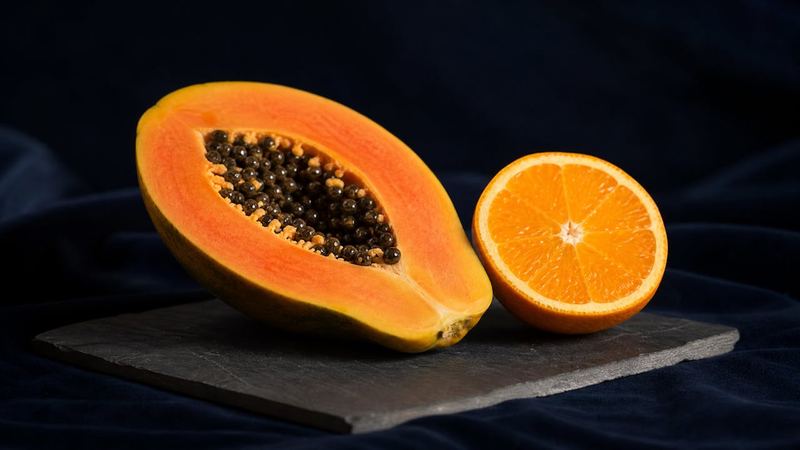
Dark leafy greens and citrus. The lens uses antioxidants like lutein and vitamin C as its rust-proofing mechanism, and people with antioxidant-rich diets consistently show fewer cataracts. Notice I said food, not pills. Hold that thought.
5. Check your medications
Long-term steroids, whether pills, some inhalers, or nasal sprays, can accelerate cataract formation. If you've been on steroids for years, you need an eye exam, not only for cataracts but to screen for glaucoma, since steroids can raise eye pressure. Never change these medications without talking to your doctor first.
What doesn't work
Eye exercises. A cataract is a physical change in the proteins of your lens. You cannot exercise a protein into disappearing.
Vision supplements sold as cataract treatment. This one surprises people the most. The biggest eye-vitamin studies we have, the AREDS trials, followed thousands of patients for years and found those formulas did not slow cataracts. They have a real protective role in macular degeneration, but that's a completely different disease. One footnote from the same research makes the point: the small group with the worst diets, lowest in lutein and antioxidants, did benefit from supplementing. The pill was patching a bad diet. If you're eating your greens, it adds nothing.
Cataract-dissolving eye drops. I get asked about these constantly, so here's the honest version. There is real research behind the headline: a compound called lanosterol made cloudy lenses clearer in dogs in a 2015 study, and that's legitimately interesting science. But in humans, nothing has worked. Later experiments couldn't even reproduce the original effect in dogs, and nothing has been approved. The drops sold online today are riding on that headline. If a drop that dissolved cataracts existed, every eye surgeon in the world would be using it.
The playbook
Sunglasses every day. Don't smoke. Control your blood sugar. Eat your greens. Know your medications. None of it is glamorous, all of it is free or close to it, and it's a list with actual evidence behind it.
And if your cataracts are already affecting your driving or your reading, slowing them down isn't the goal anymore. That's a different conversation, and one worth having, because from that point vision only worsens. It starts with a cataract surgery evaluation in Irvine.
Related reading: AREDS 3 vs AREDS 2: should you switch your eye vitamins? · when it is time for cataract surgery · what cataract surgery actually feels like · can fruit clear cataracts overnight · or arrange a cataract consultation in Irvine.
Sources: AREDS2 Research Group, lutein/zeaxanthin and cataract, report no. 4 (JAMA Ophthalmol 2013) · Zhao et al., lanosterol reverses protein aggregation in cataracts (Nature 2015) · Ye et al., smoking and age-related cataract meta-analysis (Invest Ophthalmol Vis Sci 2012)
Two tools that may help you think this through: the 60-second lens quiz, and the vision simulator, which shows how each lens sees by day and at night.
Already noticing glare or night-driving trouble?
Schedule an evaluation with Dr. Driver at OC Eye Associates in Irvine.
Call (949) 653-9500Read next
This article is for educational purposes and is not a substitute for a medical examination or personalized medical advice. Always consult your doctor before changing any medication.